Watercolor Cosmetics Makeup Backgrounds for Creative Projects
Understanding the Visual Appeal of These Digital Assets
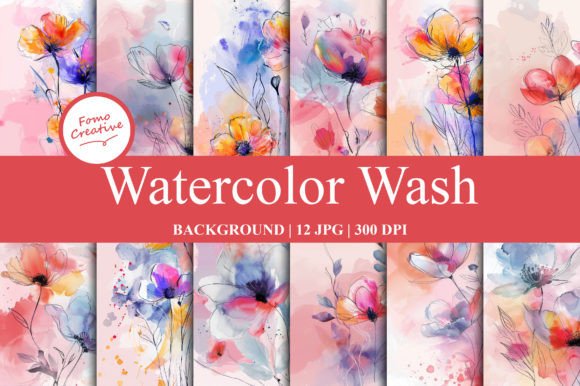
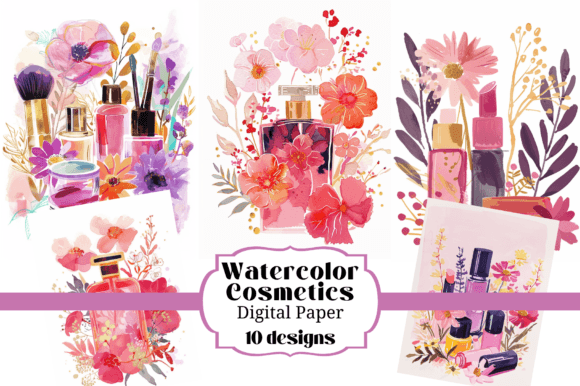
Watercolor Cosmetics Makeup Backgrounds are a collection of 10 digital paper backgrounds that blend artistic texture with a specific, recognizable theme. The visual personality of these assets is soft, elegant, and slightly vintage. They evoke the feel of a high-end beauty brand's mood board or a curated scrapbook page. The style is characterized by soft washes of color that mimic real watercolor paint, overlaid with subtle illustrations of makeup items like lipstick tubes, powder compacts, and perfume bottles. The overall appeal lies in their ability to add instant sophistication and a feminine touch to any project without appearing overly literal or childish. They function as a premium design asset, providing a textured, organic foundation that flat digital colors often lack.
The Anatomy of a Versatile Background
Each background in the set is a high-resolution PNG file, which is a critical detail for designers. Unlike JPEGs, PNGs support transparency, allowing the watercolor textures and cosmetic illustrations to be layered over other elements in your design software seamlessly. The files are labeled and organized, which is a practical consideration for professionals managing large libraries of design assets. Because these are digital images, they can be resized, rotated, and cropped to fit any format, from a small social media graphic to a large poster or book cover. The lack of watermarks and the large file dimensions make them immediately usable for both personal and commercial projects, aligning with the needs of small business owners and entrepreneurs who require assets ready for production.
Practical Applications for Designers and Crafters
The utility of Watercolor Cosmetics Makeup Backgrounds extends far beyond simple decoration. For graphic designers and brand strategists, these backgrounds can serve as a foundational element in logo design for beauty salons, skincare lines, or boutique cosmetic brands. They provide a textural depth that helps a brand stand out in a crowded market. In editorial design, they are perfect for magazine layouts, blog headers, or website banners focused on beauty, wellness, or lifestyle topics. The soft aesthetic influences brand perception, communicating qualities like luxury, care, and artistry. For content creators and marketers, they make excellent backdrops for product photography, quote graphics, or promotional materials on platforms like Instagram and Pinterest, where visual cohesion is key to audience engagement.
From Digital Screens to Physical Crafts
The value of these backgrounds is not confined to the digital realm. For crafters, hobbyists, and publishers, they are a gateway to tangible creativity. They are ideal for scrapbooking, adding a thematic layer to memory-keeping pages. Junk journal enthusiasts can print them on various paper stocks to create unique pages, envelopes, or ephemera. They are also perfect for collage and paper crafts, such as creating custom greeting cards, gift tags, or decoupage projects. The ability to print them at home or through a professional service gives crafters complete control over scale and material, whether on cardstock, vellum, or sticker paper. This bridge between digital asset and physical craft is where their true versatility shines, offering a consistent brand identity across both online and offline touchpoints.
Making Informed Choices for Your Project
Choosing the right background involves more than just liking the aesthetic. First, consider the visual hierarchy of your project. A busy watercolor background might compete with detailed text or complex illustrations. In such cases, you might use a portion of the background, reduce its opacity, or select a simpler element from the set. Always test font pairing against the background. A clean sans serif font often provides excellent readability against the organic texture, while a delicate script font can enhance the feminine theme for headlines. Avoid overly ornate display fonts that could become illegible.
Evaluating Fit and Licensing
Evaluate your project's needs against the asset's characteristics. Is the color palette right? Does the style of illustration align with your brand's tone? For commercial use, the licensing is straightforward—since you are downloading the files, you typically have broad rights for use in end products like printed materials, digital products for sale, and client work, provided you are not reselling the raw files themselves. This makes them a practical commercial font and asset alternative for designers who need reliable, licensable resources. Always review the specific license terms included with your download to ensure compliance. Ultimately, these backgrounds are a tool. Like any creative font or design element, their effectiveness depends on thoughtful application, understanding your audience, and integrating them in a way that supports, rather than overwhelms, your core message.