Holographic Space Watercolor Backgrounds: A Creative Toolkit
Understanding the Visual Language of Cosmic Art
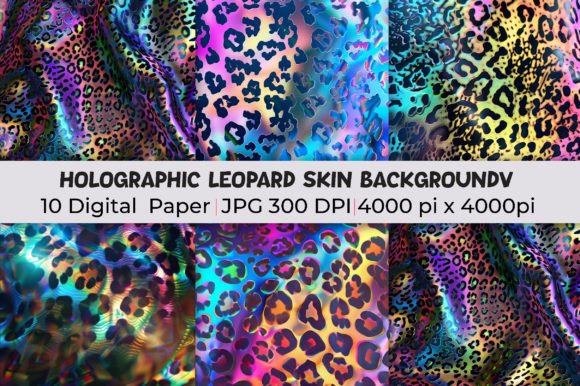
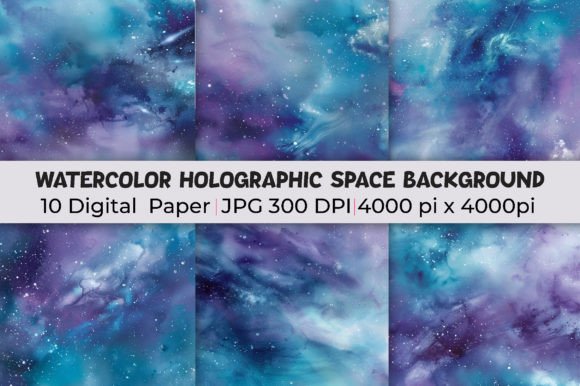
There is a specific kind of visual noise that happens when you mix traditional artistic textures with futuristic color grading. This is the core appeal of Holographic Space Watercolor Backgrounds. These assets are not just flat images; they are complex layers of fluid movement and metallic sheen. When you look at a high-quality watercolor texture, you expect organic bleeding edges and paper grain. When you introduce the "holographic" and "space" elements, you get a shifting spectrum of colors—think iridescent purples, electric blues, and neon pinks that mimic light refracting through a prism.
The personality of this collection is undeniably bold. It speaks to a modern aesthetic that values depth and dimension over flat minimalism. The visual style captures a sense of infinite space while keeping the grounding, tactile feel of paint on paper. For designers, this creates a fascinating tension between the digital and the analog. It is the perfect design asset for projects that need to feel alive and energetic without relying on sharp, vector-based graphics. The "Luxury alcohol ink pink texture" aspect mentioned in the description adds a layer of sophistication, suggesting a high-end finish often seen in abstract art prints or luxury branding materials.
Strategic Applications in Modern Design
Knowing what an asset looks like is one thing; knowing how to deploy it effectively is where the real work begins. Holographic Space Watercolor Backgrounds are incredibly versatile, but they require a thoughtful approach to visual hierarchy. Because these backgrounds are high-resolution (4000x4000 pixels) and visually dense, they act as a dominant design element. They are not passive; they demand attention.
Digital Presence and Social Media
In the realm of social media graphics and web design, attention spans are short. A static, grey background often gets scrolled past. However, a vibrant, holographic texture creates an immediate thumb-stopping moment. Use these backgrounds for hero sections on landing pages where you want to evoke emotion immediately. For Instagram or Pinterest, these textures serve as excellent backdrops for quote cards or product announcements. The key is to ensure your typography pops. A clean sans serif font usually works best here, providing a sharp, legible contrast against the fluid, chaotic background.
Branding and Packaging
For entrepreneurs and small business owners, brand identity is about standing out. If you are in the beauty, tech, or lifestyle industry, these backgrounds can elevate your packaging design concepts. Imagine a mockup for a new perfume or a tech accessory where the box features a subtle holographic foil effect derived from these watercolor textures. It communicates innovation and luxury. Similarly, for logo design, using a clipping mask with these textures can turn a standard wordmark into a dynamic, memorable icon. This is particularly effective for brands targeting a Gen Z or Millennial demographic that resonates with "vaporwave" or futuristic aesthetics.
Print and Editorial Projects
Don't limit these assets to screens. In editorial design, such as magazine covers or book jackets, these backgrounds add a tactile quality that engages the reader. A 4000-pixel file size ensures that the image remains crisp even on large print formats. You can use them as full-bleed backgrounds for event invitations, posters, or flyers. The intricate details of the watercolor grain hold up well under print scrutiny, provided you are working with a high-quality printer. When using these for print, pay attention to color profiles (CMYK vs. RGB) to ensure those vibrant neons translate as closely as possible to the physical paper.
Practical Implementation and Design Strategy
Integrating Holographic Space Watercolor Backgrounds into your workflow requires more than just dragging and dropping an image into Photoshop. To truly transform your designs into masterpieces, you need to consider composition, color theory, and asset management.
Typography and Readability
The biggest challenge with complex backgrounds is maintaining readability. A busy background can swallow text whole. To combat this, use overlays. A semi-transparent black or dark gradient placed over the image can darken specific areas, allowing white text to stand out sharply. Alternatively, use the "knockout" effect where your text is white, but the background inside the letters is the holographic texture. This works exceptionally well for bold, heavy display typefaces. Avoid using script fonts or thin serif fonts directly over the busiest parts of the texture, as the varying background values will make the text hard to read.
File Management and Workflow
The collection includes 10 distinct high-quality JPG images. While JPGs are great for maintaining color vibrancy and reducing file size compared to uncompressed formats, they do not support transparency. This means you will need to use masking techniques in software like Adobe Photoshop or Illustrator if you want to isolate specific shapes. Since the files are 4000x4000 pixels, they are square. This is an ideal format for social media posts, but you may need to crop or extend the canvas for standard video thumbnails (16:9) or web banners. Always keep the original files untouched in a separate folder so you can revert to the full composition if your crop doesn't work.
Color Grading and Harmony
While the backgrounds come with a preset color palette, you have full control to shift the hue to match your specific brand identity. If the pink and purple tones are too vibrant for your specific project, applying a slight desaturation or a color overlay can mute them into a more pastel, corporate-friendly palette. Conversely, increasing the contrast can push the "holographic" effect further, making the colors feel even more electric. Use the eyedropper tool to pull accent colors directly from the background for your buttons, headlines, or borders. This ensures that your foreground elements feel harmoniously connected to the background, rather than floating disconnectedly.
Conclusion: Elevating Your Creative Assets
In a market saturated with generic stock photography, utilizing Holographic Space Watercolor Backgrounds offers a distinct competitive advantage. They bridge the gap between abstract art and functional design, providing a versatile canvas for everything from web design to packaging design