Leopard, Plaid and Striped Backgrounds: A Pattern Powerhouse
When it comes to creating a visual statement, mixing patterns can feel like a high-wire act. You want dynamism without chaos, and cohesion without monotony. That is exactly why the combination of Leopard, Plaid and Striped Backgrounds has become a go-to resource for designers and crafters alike. These aren't just random textures thrown together; they represent a curated clash of the wild, the classic, and the structured. Whether you are building a digital scrapbook page, designing a unique greeting card, or establishing a bold brand identity, this trio offers a versatility that few other design assets can match.
The Anatomy of the Aesthetic
Understanding the visual personality of this collection is key to using it effectively. It isn't just about having three different patterns; it is about the interplay between them.
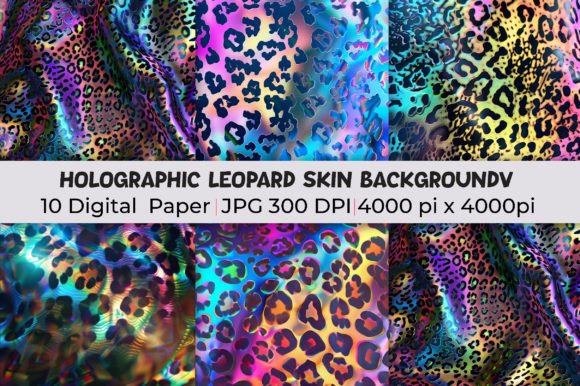
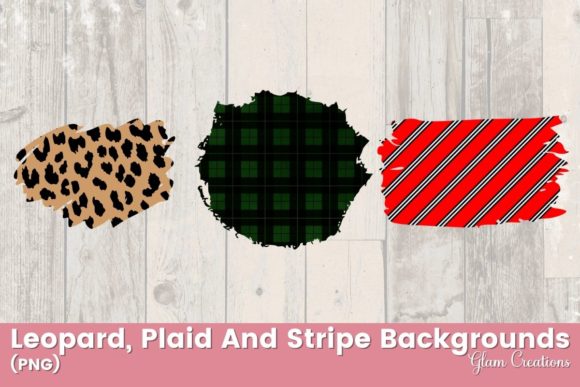
- The Leopard Print: This is the "wild card." It brings an organic, irregular shape to the table. It acts as a neutral in many high-fashion contexts, providing a texture that reads as both sophisticated and edgy. It breaks up the rigidity of geometric patterns.
- The Plaid: Plaid offers a sense of heritage, warmth, and structure. Depending on the color palette, it can feel rustic and cozy or preppy and sharp. It anchors the design with its intersecting horizontal and vertical lines.
- The Stripe: Stripes are the workhorses of the pattern world. They provide rhythm and movement. Whether they are pinstripes or wide bands, they guide the eye and offer a clean, modern typography-friendly backdrop if the scale is small enough.
When combined, these patterns create a visual texture that feels rich and layered. The Leopard, Plaid and Striped Backgrounds collection typically comes in high-resolution PNG formats, making them incredibly easy to layer in Photoshop or Canva. Because the wooden background is not included, you are working with clean, isolated textures that can be placed over any solid color or environment, giving you total control over the final mood.
Strategic Applications for Modern Creators
How do you translate these patterns into real-world projects? The answer lies in understanding where these textures excel. As a creative font or background pairing, they are incredibly adaptable across various mediums.
Branding and Packaging Design
For small business owners and entrepreneurs, consistency is everything. If your brand voice is bold, eclectic, or fashion-forward, these backgrounds are gold. Imagine a boutique clothing brand using the leopard print for social media headers and the plaid for their shipping tissue paper. It creates a cohesive brand identity that is instantly recognizable. In packaging design, a striped ribbon tied around a box with a leopard print label creates an immediate sense of premium quality and style.
Digital Marketing and Social Media
In the fast-paced world of social media graphics, you have about two seconds to stop the scroll. High-contrast patterns do this job well. Use a bold stripe as the background for an Instagram Story announcement, overlaying it with a sans serif font for maximum readability. For a Facebook cover photo, blending a plaid texture with a subtle leopard overlay can create a rich, atmospheric header that looks custom-designed rather than generic. These design assets allow you to create visual hierarchy without clutter.
Crafting and Editorial Design
For the hobbyists and scrapbookers, the appeal is obvious. These patterns mimic real-world materials—fabric, paper, and fur. They add a tactile quality to digital layouts. In editorial design, such as a magazine spread or a blog post header, these backgrounds can set a specific theme. A holiday newsletter might use the plaid, while a fall fashion guide utilizes the leopard. The key is treating these backgrounds not just as wallpaper, but as integral parts of the storytelling.
Mastering the Mix: Readability and Hierarchy
One of the biggest risks with busy backgrounds is sacrificing readability. If you place a script font or a detailed serif font over a high-contrast leopard print, the text can become illegible. Here is how to maintain professionalism and clarity:
- Use Knockout Boxes: Place a semi-transparent solid shape (like a white box at 80% opacity) behind your text. This creates a "safe zone" for your typography while letting the pattern peek through the edges.
- Scale and Opacity: Don't be afraid to scale the patterns down or lower their opacity. A very faint stripe can act as a subtle texture that adds depth without competing with a display font or logo.
- Contrast is King: If the pattern is dark, use light text. If the pattern is light, use dark text. However, because patterns have varying tones, a drop shadow or a stroke on your text might be necessary to ensure the letters pop against the shifting colors of the plaid or stripe.
Think about visual hierarchy. Your background is the stage, not the lead actor. If the background is shouting (high saturation, high contrast), your typography needs to be bold and simple—think a heavy modern typography style or a thick sans serif. If the background is whispering (muted tones, low opacity), you can afford to use a more delicate handwritten font.
Choosing and Testing Your Assets
Before you commit to a project, take the time to evaluate the files. A premium font or background set should be versatile. When you download a pack of Leopard, Plaid and Striped Backgrounds, check the following:
- Resolution: Ensure the PNGs are high-resolution (300 DPI) if you plan on print work, such as greeting cards or flyers. For web design, standard screen resolution is fine, but larger files allow for more cropping flexibility.
- Color Palette: Do the colors match your current brand identity? If the plaid is neon green and your brand is earth tones, you will have a hard time making it work even with color overlays.
- Licensing: This is crucial for commercial fonts and assets. Always check the license. If you are selling greeting cards or using the backgrounds in a client's logo design, you need to ensure the license covers commercial use.
A practical tip for testing: Create a mood board. Place your potential font pairings directly onto the backgrounds. See how a clean sans serif looks against the stripe versus the leopard. You will often find that a font that looks boring on a white background comes alive when placed against a dynamic pattern. Conversely, you might find that your favorite creative font gets lost in the texture.
Ultimately, Leopard, Plaid and Striped Backgrounds are about confidence. They suggest a creator who isn't afraid to mix elements and who understands how to balance energy with structure. By using these patterns thoughtfully, you can elevate a simple project into something that feels curated, stylish, and undeniably professional.