Gold, Plaid, and Teal Backgrounds: A Designer's Guide to This Rich Combination
There's something inherently satisfying about a color palette that feels both timeless and fresh. Gold, plaid, and teal backgrounds achieve this balance beautifully. It's a combination that carries weight without feeling heavy, tradition without feeling dated. The warmth of gold meets the structured comfort of plaid, all grounded by the cool sophistication of teal. This isn't just a random assortment of colors and patterns; it's a carefully considered visual language that speaks to quality, intention, and a touch of creative flair.
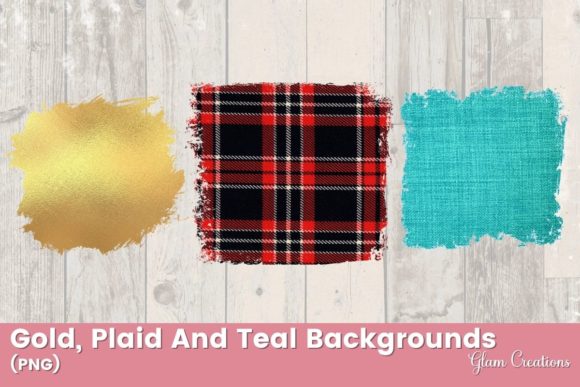
The visual characteristics of this trio are what make it so compelling. Gold introduces a sense of luxury, value, and optimism. It catches the light, both literally and figuratively, drawing the eye and suggesting importance. Plaid, particularly when rendered in classic tartan or windowpane checks, offers structure, heritage, and a cozy, approachable texture. It tells a story of tradition and craftsmanship. Teal acts as the perfect counterbalance. As a sophisticated blend of blue and green, it provides depth, calm, and a modern edge. It’s a color that feels both professional and creative, preventing the gold and plaid from becoming overly formal or stuffy. Together, they create a personality that is confident, layered, and versatile—suitable for a brand that values both its heritage and its forward-thinking approach.
Where This Combination Truly Shines
The real strength of Gold, Plaid, and Teal Backgrounds lies in their remarkable adaptability across different projects. In brand identity work, this palette can define a company's entire visual presence. Imagine a boutique distillery or a high-end artisanal food brand using a teal background with a subtle gold foil logo and plaid accents on packaging. It immediately communicates premium quality, tradition, and a distinctive character. For editorial design, such as magazine layouts or book covers, these backgrounds create a rich, immersive experience. A teal background with a gold headline and plaid sidebar elements can guide the reader's eye with clear visual hierarchy while maintaining a cohesive and engaging aesthetic.
Digital applications are where this combination can feel particularly dynamic. For web design, using a teal hero section with gold call-to-action buttons and a plaid pattern in the footer or as a subtle texture can create a site that feels both professional and memorable. The key is in the application; the plaid should often be used as a supporting texture rather than an overwhelming pattern to maintain readability and a clean interface. Social media graphics benefit immensely from this palette. A consistent use of Gold, Plaid, and Teal backgrounds across Instagram posts, Pinterest pins, and Facebook ads builds strong brand recognition. The combination is visually striking enough to stop the scroll, yet sophisticated enough to be taken seriously. For packaging design, the tactile nature of plaid paired with the luxurious shimmer of gold on a teal background can make a product feel special before it's even opened.
Making It Work: Practical Guidance for Creatives
Adopting a strong color and pattern scheme like this requires more than just slapping the elements together. Success lies in thoughtful execution. Start by evaluating your project's core personality. Does your brand or project align with the qualities of heritage, sophistication, and modern creativity? If the answer is yes, you have a strong foundation. Next, consider the hierarchy. Gold is a powerful accent color; use it strategically for key headlines, logos, or important UI elements to draw attention. Teal often works best as a primary background color due to its depth and versatility. Plaid should typically be a secondary or tertiary element—a texture, a border, or a supporting graphic—to add interest without causing visual clutter.
Testing is non-negotiable. View your designs in different contexts. How does the plaid pattern look on a mobile screen versus a printed brochure? Is the gold text legible against the teal background under various lighting conditions? Readability is paramount. Ensure there is sufficient contrast, especially for body text. Pairing this visual scheme with the right typeface is critical. A clean, modern sans serif font can keep the look contemporary, while a classic serif font can lean into the heritage feel. A script font or handwritten font could be used sparingly for a personal touch, but ensure it remains legible. Think of these backgrounds as part of your larger design assets library; they should complement your typography, not compete with it.
Finally, consider the practicalities. If you're using these backgrounds for commercial projects, verify the licensing. The files included—typically high-resolution PNGs—are designed for ease of use, allowing for quick integration into designs. The note that the "wooden background is not included" is a helpful clarification, reminding you to source complementary elements separately if needed. Whether you're a small business owner crafting your first brand identity, a designer working on logo design or packaging design, or a blogger looking to elevate your social media graphics, this combination offers a robust and visually rewarding toolkit. It encourages a thoughtful approach to design, where every element contributes to a unified and compelling story.