Wild Poppies Backgrounds: A Designer's Blooming Asset
More Than Just a Pretty Pattern
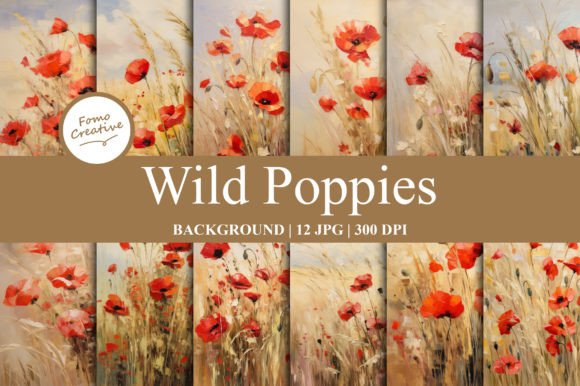
At first glance, Wild Poppies Backgrounds are exactly what they sound like: a collection of digital paper designs featuring the delicate, vibrant forms of poppy flowers. But to dismiss them as simple floral patterns would miss their real value in a designer's toolkit. These aren't just generic, repetitive flower stamps. The collection captures the organic, slightly untamed essence of a poppy field—think soft watercolor washes, intricate botanical sketches, and modern graphic interpretations. The personality is one of natural elegance and a touch of whimsy, offering a visual warmth that sterile geometric patterns or stark abstracts often lack. It’s this blend of beauty and practicality that makes them a standout design asset.
The appeal lies in their versatility as a background. A strong background doesn't compete with foreground content; it supports it, adding depth and setting a mood without causing clutter. The Wild Poppies collection achieves this through varied compositions. Some designs feature bold, large-scale blooms perfect for making a statement, while others offer a subtle, scattered petal texture ideal for adding a gentle, organic feel to text-heavy layouts. This range allows the same thematic element to serve completely different purposes, from a dramatic hero image on a website to a soft, supporting texture on a business card.
Where These Backgrounds Truly Blossom in Projects
Understanding where to deploy Wild Poppies Backgrounds is key to leveraging their full potential. Their strength lies in projects that benefit from a human, crafted, or natural touch. For brand identity work, they are a secret weapon for businesses in the wellness, beauty, artisanal food, or boutique hospitality sectors. Imagine a skincare brand using a soft, muted poppy texture as the background for its packaging design or a spa’s menu. It instantly communicates a connection to nature, purity, and gentle care, influencing brand perception before a single word is read.
In the realm of editorial design and publishing, these backgrounds excel. A blogger can use a delicate floral pattern behind pull quotes or as a header image to break up long-form content, improving visual hierarchy and reader engagement. For a self-published author, a tasteful poppy background can transform a simple book cover or chapter title page, adding a layer of professionalism and thematic depth. The key is using them strategically—not on every page, but as punctuation marks in the visual narrative. Similarly, for social media graphics, a quick overlay of text on a Wild Poppies background can create a cohesive, branded post template that stands out in a crowded feed, saving time while maintaining a high-quality aesthetic.
Practical Applications Across Mediums
- Digital & Web Design: Use as a subtle website background (with a semi-transparent overlay for text readability), for blog post featured images, or in digital newsletter headers.
- Print & Packaging: Ideal for wedding invitations, greeting cards, thank you notes, product labels for artisan goods, and boutique shopping bags.
- Marketing Collateral: Enhance brochures, flyers, and presentation slides for a creative, approachable feel that avoids corporate stiffness.
- Personal & Craft Projects: Perfect for digital scrapbooking, printable wall art, custom planners, and DIY craft projects, offering a printable note of beauty.
Integrating for Maximum Impact and Readability
The true test of any background is its relationship with foreground elements, especially typography. This is where Wild Poppies Backgrounds demand thoughtful application. Their effectiveness hinges on maintaining a clear visual hierarchy. A busy, detailed poppy pattern will swallow a thin, light-weight sans serif font. The solution isn’t to avoid the background, but to choose the right typeface pairing. A bold, clean serif font or a heavy geometric sans serif often works best, as its strong letterforms can hold their own against the organic complexity. Alternatively, using a solid color block or a semi-transparent layer behind text can create a clear “safe zone,” ensuring readability remains paramount.
This consideration directly impacts brand perception and professionalism. A well-chosen background that supports legibility shows attention to detail. It says the designer understands composition and user experience, whether for a printed card or a mobile website. To choose the right background from the set, evaluate your project’s core emotion. Is it romantic and soft? Choose a watercolor wash. Is it bold and artistic? Opt for a graphic, high-contrast sketch. Always test font pairings on your actual mockups. View them on different screens and, if printing is a goal, get a test print. Remember, as a digital product with high-resolution 300 DPI files, they are designed for sharp print reproduction, but monitor calibration and printer settings can still affect final color output—a standard consideration for any premium design asset.
Ultimately, Wild Poppies Backgrounds are more than decorative elements; they are mood-setters and narrative builders. Used with intention, they can elevate a project from generic to memorable, infusing it with a natural elegance that resonates on a subconscious level. They provide a shortcut to sophisticated, nature-inspired design without sacrificing the control and customization that professionals require. By focusing on strategic placement, smart typographic contrast, and alignment with project goals, you can harness their full potential to create work that is both visually captivating and effectively communicative.