Vintage Old Paper Texture Backgrounds: Timeless Digital Assets
There’s a distinct quality to designs that feel grounded in history. In a digital landscape often dominated by sleek gradients and sharp vectors, incorporating elements with a tactile, aged patina can instantly create depth and emotional resonance. This is where Vintage Old Paper Texture Backgrounds become an indispensable part of your creative toolkit. These aren't just static images; they are versatile design assets that provide a foundation for storytelling, adding a layer of authenticity and warmth to any project. Whether you're crafting a brand identity for a heritage product or designing social media graphics that need to stop the scroll, the right background texture sets the entire tone.
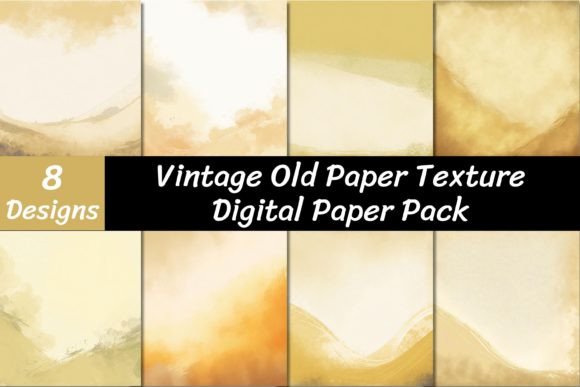
The included digital paper pack offers exactly the kind of quality and flexibility professionals require. With eight distinct JPEG files, each rendered at a substantial 3600 x 3600 pixels and a crisp 300 DPI, these backgrounds are built for both high-resolution print and detailed digital work. The high pixel count ensures you can scale, crop, and manipulate the textures without losing integrity, making them a reliable asset for everything from large-format posters to intricate web design elements. The variety within the pack means you’re not stuck with a single look; you can choose from subtle, aged creams to more distressed, heavily weathered papers, allowing for nuanced creative decisions.
The Visual Character of Aged Paper
Understanding the personality of these textures is key to using them effectively. The visual characteristics of Vintage Old Paper Texture Backgrounds are defined by their imperfections—the soft, uneven discoloration, the faint impression of creases, and the organic grain that mimics real parchment or old manuscript sheets. This style avoids the sterile perfection of a blank digital canvas. Instead, it introduces a sense of history, craftsmanship, and realism. The overall appeal lies in its ability to make modern designs feel more human and relatable. It’s a style that communicates tradition, nostalgia, and a handcrafted quality, which is incredibly powerful for brands and creators looking to establish a deeper connection with their audience.
This aesthetic is more than just a filter; it's a foundational element that influences the entire visual hierarchy of your work. When you place text or imagery over a well-chosen vintage texture, the background doesn’t just disappear—it contributes to the mood. A lightly aged paper can make a serif font feel elegant and literary, while a more rugged, stained texture can give a sans serif font an unexpected, edgy contrast. The key is to see these backgrounds not as mere decoration, but as active participants in your design’s narrative.
Practical Applications Across Creative Projects
The true value of a premium design asset is its versatility. These textures are remarkably adaptable, serving as a cornerstone for a wide range of applications. For brand identity and logo design, a vintage paper texture can be used as a background for a logo presentation, or even subtly integrated into the logo itself to convey a sense of heritage and durability. Think of artisan bakeries, craft breweries, boutique hotels, or any brand that wants to emphasize its story and origins.
In editorial design and publishing, the pack is a game-changer. Use the textures as backgrounds for magazine layouts, book covers, or chapter pages to create an immersive reading experience. For bloggers and content creators, they are perfect for designing quote graphics, Pinterest pins, or website hero images that need to convey a thoughtful, curated aesthetic. The high resolution is particularly beneficial here, ensuring that text placed over the texture remains legible and professionally crisp.
For packaging design, especially for products like specialty foods, cosmetics, or stationery, these backgrounds can form the basis of labels, wraps, and box designs. They instantly communicate quality and a classic sensibility. Even in web design, a vintage paper texture can be used sparingly—as a background for a sidebar, a footer, or a call-to-action section—to break the monotony of flat color and add visual interest without compromising site speed or readability.
Strategic Integration and Design Principles
Successfully incorporating these textures requires more than just slapping them onto a canvas. It involves thoughtful consideration of readability, visual hierarchy, and overall brand perception. The primary goal is to enhance, not overwhelm. Start by adjusting the opacity or blending mode of the texture layer. A subtle, low-opacity overlay can add depth without competing with your primary content.
Font pairing is critical. The organic nature of vintage paper textures pairs beautifully with certain typefaces. A classic serif font like Garamond or Baskerville reinforces the traditional, literary feel. For a more modern contrast, pairing the texture with a clean, geometric sans serif font like Helvetica or Futura can create a dynamic tension that feels both contemporary and grounded. Script or handwritten fonts can also work well, but ensure they are legible at the intended size. Always test your text on the chosen texture at the final output size to check for clarity.
Consider the emotional tone you’re aiming for. A clean, lightly stained paper might suit a professional, corporate history project, while a darker, more distressed texture could be perfect for a gritty, artistic portfolio or a music festival poster. The consistency of using the same texture family across a campaign—from social media graphics to printed brochures—strengthens brand recognition and creates a cohesive visual language.
Making the Most of Your Investment
When you buy or download this vintage paper backgrounds pack, you’re acquiring a set of carefully crafted tools. To ensure a smooth workflow, remember that the files are delivered in a zipped format. You’ll need an unzipping utility like WinZip or WinRAR to extract the high-quality JPEGs. Once unzipped, organize them in your asset library for easy access.
Before finalizing any design, evaluate the project fit. Does the chosen texture support the message or distract from it? Does it align with the target audience’s expectations? For commercial projects, always double-check the licensing terms to ensure your use is compliant—these assets are typically licensed for both personal and commercial use, but it’s a professional best practice to verify.
Ultimately, Vintage Old Paper Texture Backgrounds are more than just a collection of images. They are a bridge between the digital and the tangible, offering a simple yet profound way to add soul, story, and sophistication to your work. By understanding their character and applying them with intention, you can elevate your designs from merely functional to truly memorable.