Grungy Distressed Backgrounds: A Guide to Textured Elegance
There's a certain magic in the imperfect. It feels honest, lived-in, and real. In a digital world saturated with flawless vectors and sterile gradients, the tactile quality of a worn surface or a weathered texture can stop a viewer in their tracks. This is the power of grunge and distress in design. It’s not about making things look dirty or broken; it’s about adding a layer of history, character, and raw sophistication. The right distressed texture can transform a flat, forgettable design into something with a soul, creating an immediate emotional connection that pristine perfection often misses.
Understanding the Visual Language of Distress
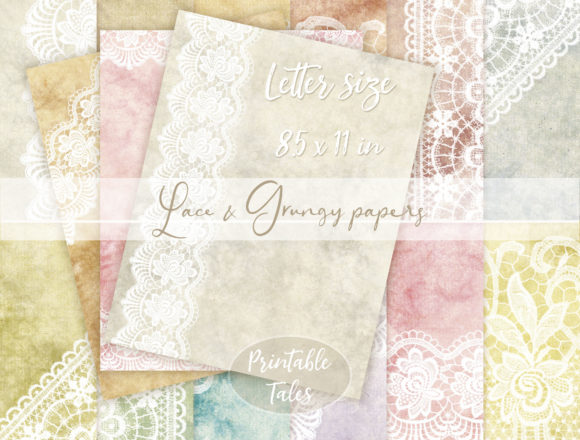
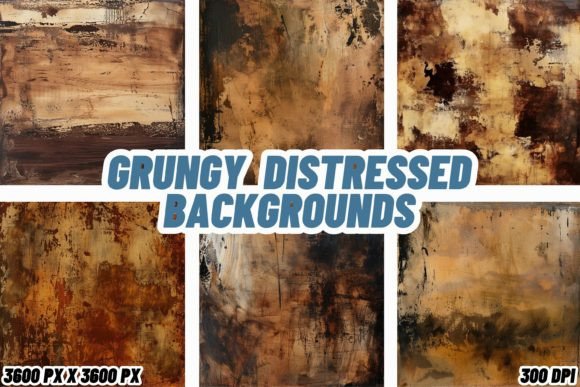
When we talk about a collection like the Grungy Distressed Elegance Backgrounds, we're referring to a specific aesthetic. Imagine the peeling paint on an old brick wall in a forgotten city alley, the faded ink on a vintage letter, or the subtle grain of aged paper. These aren't random splotches of dirt. They are carefully curated layers of texture—scratches, cracks, subtle color shifts, and noise—that mimic the beautiful decay of time. The "elegance" in the name is crucial. This isn't chaotic destruction; it's a controlled, sophisticated application of grit that adds depth and a sense of premium quality. It’s the visual equivalent of a well-worn leather jacket or a vintage watch—it has a story to tell.
The personality of these backgrounds is one of confident imperfection. They speak of authenticity, resilience, and a connection to the past. For brands and creators, this style communicates that they value substance over superficiality. It’s an aesthetic that feels both timeless and contemporary, bridging the gap between vintage charm and modern urban edge. The appeal lies in its versatility; it can be moody and dramatic or subtle and warm, depending on the color palette and the intensity of the distressing. This collection, with its 12 distinct designs, offers a range of this visual language, from deep, gritty textures to lighter, more weathered surfaces.
Practical Applications: Where Textured Backgrounds Shine
The real value of these design assets is in their application. They are not just decorative elements but tools for shaping perception and guiding the viewer's eye. A well-chosen distressed background can do wonders for brand identity, especially for businesses in craft brewing, artisanal goods, vintage apparel, or boutique coffee roasting. It immediately signals a hands-on, quality-focused approach. In packaging design, these textures add a tangible, premium feel that can make a product stand out on a crowded shelf.
For digital and web design, they create immersive landing pages and hero sections that feel rich and engaging. They are perfect for social media graphics, helping posts from bloggers, influencers, and small businesses cut through the noise with a distinct, recognizable style. In editorial design, for both print and digital magazines, they provide a powerful backdrop for headlines and pull quotes, adding a layer of visual interest that complements strong typography. Even for personal projects like digital scrapbooking or creating unique invitations, these backgrounds offer a way to inject a dose of character and sophistication.
Integrating Texture with Modern Typography
Using a textured background effectively is a balancing act. The goal is to let the texture enhance, not overwhelm, the content. This is where a solid understanding of font pairing becomes essential. A heavy, grungy texture often pairs beautifully with clean, bold sans serif fonts. The contrast between the complex background and the simple, legible text creates a dynamic visual hierarchy. Think of a bold, uppercase sans serif for a headline placed over a subtle concrete texture—it’s powerful and readable.
Conversely, you can lean into the vintage feel by pairing these backgrounds with a classic serif font. This combination works wonderfully for projects that need a touch of old-world elegance, like a menu for a speakeasy-style bar or an author's website. A delicate script font or handwritten font can also work, but use it sparingly for accents or logos, as readability is paramount. The key is to ensure your typeface has enough weight and clarity to stand out against the visual complexity of the background. Always test your text on the background at various sizes to check for legibility, especially for body copy. This thoughtful approach to modern typography ensures your message is seen and understood.
A Designer's Checklist for Using Distressed Assets
Before you dive in, here are a few practical considerations to ensure you get the most out of a collection like this and make a sound investment for your creative toolkit.
- Evaluate the Project's Voice: Does a distressed, vintage, or industrial aesthetic align with the project's goals? A sleek tech startup might not be the best fit, but a local brewery, an independent bookstore, or a musician's album art could be perfect.
- Assess the Quality: Look for high-resolution visuals. A pixelated or blurry texture will cheapen your design, not elevate it. The details in the cracks and grain should be sharp and clear.
- Test Your Pairings: Don't just assume your brand's primary font will work. Create mockups with different font pairings to see what combination feels most cohesive and readable. This is a critical step in any logo design or branding exercise.
- Understand the License: For any commercial font or design asset, always read the license agreement. Know whether you can use it for client work, merchandise, and digital products. This protects you and your clients.
- Consider the Full Collection: A single texture can be limiting. A curated collection of 12 backgrounds, like this one, provides the variety needed to maintain a consistent yet interesting aesthetic across an entire brand or a series of projects, from web design to print materials.
Ultimately, incorporating grungy distressed backgrounds is about making a deliberate choice to add depth, character, and a story to your work. It’s a design strategy that values authenticity and helps your creations resonate on a deeper, more human level. By choosing high-quality assets and applying them thoughtfully, you can effortlessly elevate your projects and give them a timeless, sophisticated edge.