24 Abstract Painted Backgrounds: Injecting Artistic Soul into Digital Projects
Understanding the Visual Character of These Design Assets
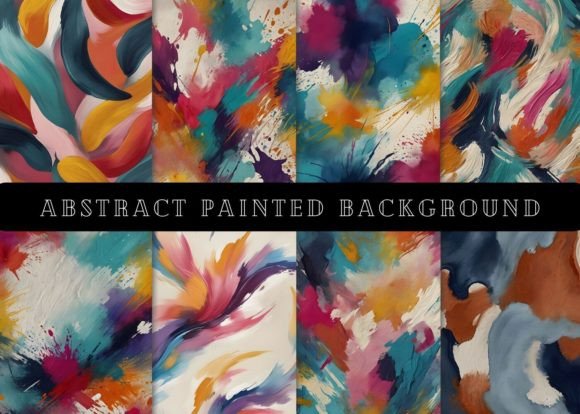
In the realm of digital design, finding assets that bridge the gap between fine art and commercial utility is rare. The collection known as 24 Abstract Painted Backgrounds offers exactly that bridge. These are not just random color swatches or digital gradients; they are high-resolution, 4000x4000px JPG files that mimic the texture, depth, and unpredictability of physical paint on canvas. For designers, marketers, and content creators, this specific resolution is a practical game-changer. It ensures that whether you are designing for a massive billboard or a small smartphone screen, the integrity of the image remains crisp and professional.
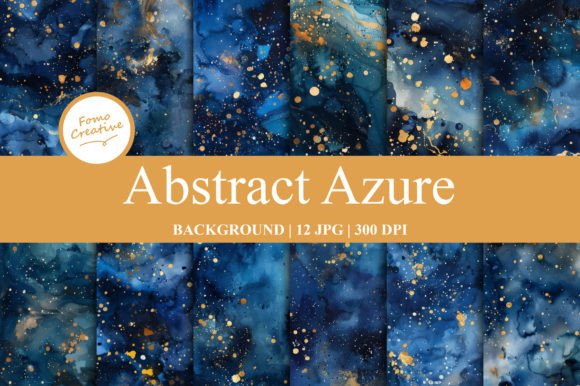
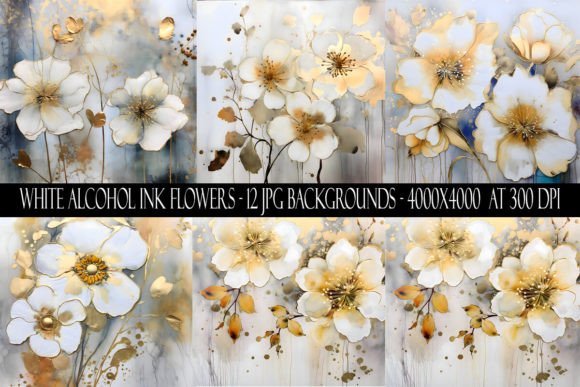
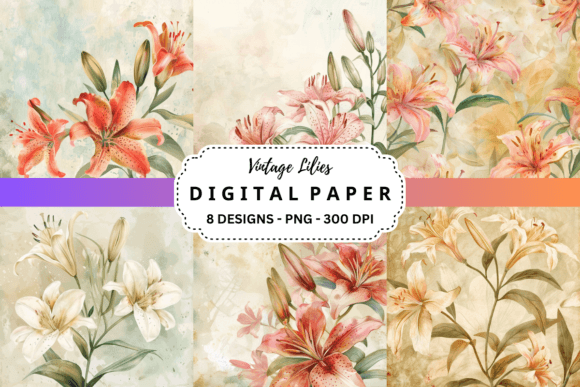
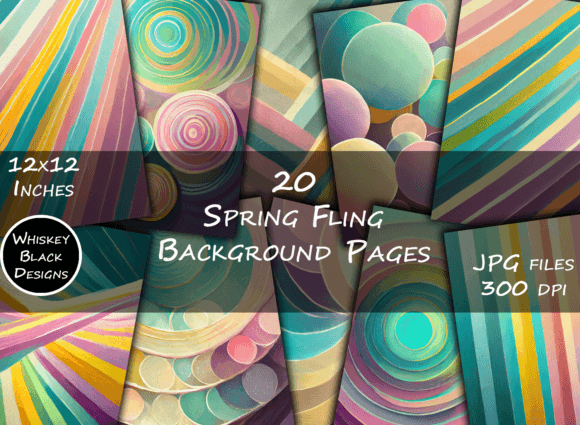
The personality of these backgrounds is distinctly organic and expressive. Unlike the sterile perfection of vector graphics, these painted textures introduce a sense of warmth and human touch. You will likely see layers of pigment blending into one another, creating a moody, sophisticated, or vibrant atmosphere depending on the specific image. This "handmade" aesthetic is invaluable for brands trying to appear more approachable and less corporate. By utilizing these abstract painted backgrounds, you are effectively importing the energy of a physical art studio into your digital workflow, allowing for a modern typography overlay that pops against the textured canvas.
Strategic Applications for Brand Identity and Marketing
For entrepreneurs and small business owners, the challenge often lies in creating a brand identity that stands out without breaking the bank on custom artwork. This is where the versatility of these backgrounds shines. Imagine using one of the more subtle, earth-toned images as a foundation for a logo design presentation or a website hero section. The texture adds immediate depth, making flat colors feel three-dimensional and rich.
In editorial design and packaging design, texture is a silent communicator of quality. Using a high-resolution painted background behind a serif or sans serif font can elevate a product from "homemade" to "artisanal." For example, a skincare brand could use a soft, pastel abstract background to evoke calmness and purity on their labels. Conversely, a tech startup might use a darker, more chaotic painted texture to represent innovation and disruption. These assets serve as a powerful design asset library that can be repurposed across different campaigns to maintain visual consistency while keeping the content fresh.
Practical Integration in Web and Social Media Graphics
The digital landscape demands content that stops the scroll. On platforms like Instagram or Pinterest, a static image with a plain white background often gets lost. By incorporating 24 Abstract Painted Backgrounds into your social media graphics, you instantly add a layer of artistic credibility. These textures work exceptionally well for quote cards, announcement posts, and story highlights. The colorful abstract painted backgrounds in the collection can serve as a vibrant backdrop for bold display fonts, ensuring your message is not only read but felt.
When applying these to web design, it is crucial to consider file size and load times. While the 4000x4000px resolution is excellent for print, you will need to optimize these JPGs for the web. However, the high resolution allows you to crop into specific sections of the image without losing quality. You can use a single background image to create multiple distinct sections on a webpage simply by zooming into different areas. This technique helps maintain a cohesive brand identity across different pages of a site while offering visual variety to the user.
Evaluating Fit and Pairing with Typography
Choosing the right background is only half the battle; the interaction between the image and your text determines the success of the design. When working with textured backgrounds like these, readability is paramount. A busy, high-contrast painted background can easily swallow a thin script font or a delicate handwritten font. To solve this, experienced designers often use a "knockout" technique—placing a semi-transparent shape or a solid color block over a portion of the background before placing the text. This allows the texture to frame the content without interfering with legibility.
Furthermore, consider the emotional resonance of your font pairing. If you are using a background with harsh, aggressive brushstrokes, pairing it with a soft, rounded sans serif font might create an interesting visual tension. Alternatively, matching a chaotic background with a structured serif font can impose order on the chaos. The goal is to use the background to enhance the hierarchy of your design. The texture should support the headline, not compete with it. By testing different opacities and blending modes (if your software supports it), you can integrate these backgrounds so seamlessly that they appear to be custom-painted for your specific project.
Licensing and Commercial Use Considerations
Before deploying these assets in client work or commercial products, it is vital to review the licensing terms. Most collections of this nature are designed as premium fonts and assets for commercial use, but verifying the specifics is a mark of a professional. Ensure that the license covers your intended use, whether it is for print-on-demand merchandise, digital products, or client websites. Treating these backgrounds as professional design assets means respecting the intellectual property involved.
Ultimately, the value of 24 Abstract Painted Backgrounds lies in their ability to save time while simultaneously raising the production value of a project. Instead of spending hours trying to create a textured effect in Photoshop, you have a library of ready-to-use art at your fingertips. For the busy content creator or the entrepreneur wearing many hats, this efficiency is priceless. It allows you to focus on the message and strategy, confident that the visual foundation of your design is solid, artistic, and engaging.